Interactive machine learning demos that run entirely in your browser using Transformers.js. No server required — all inference happens locally on your device.
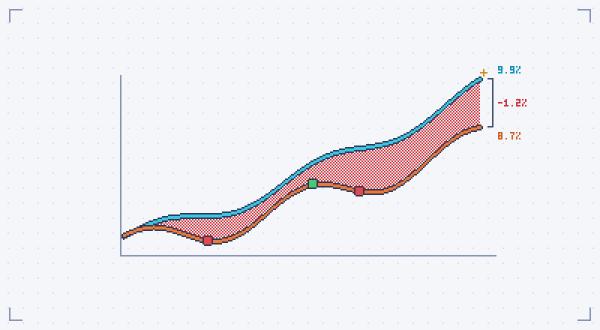
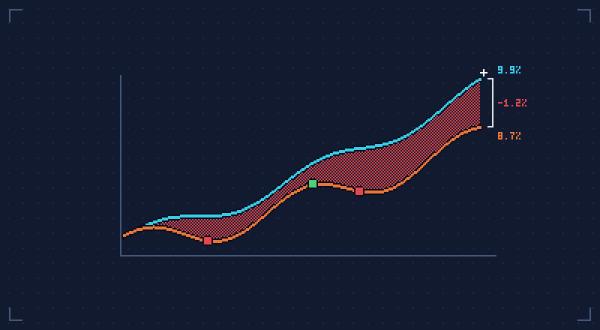
A fund’s advertised return is not necessarily what its investors earn. This post explains the difference between time-weighted and dollar-weighted returns, and why investors who buy after a rise and sell after a fall can earn less than the funds they own.
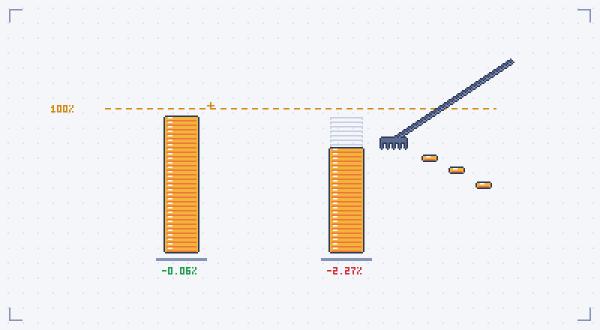
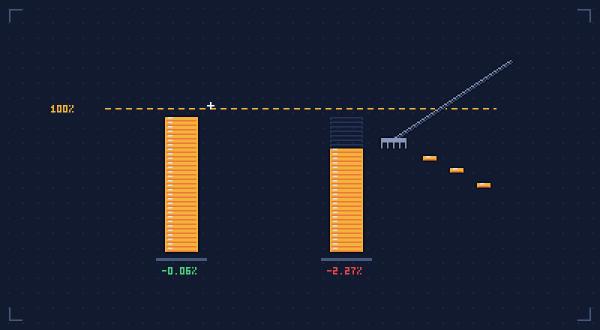
Before costs, beating the market is a zero-sum game. After costs, it is a loser’s game. This post works through the simple arithmetic behind that claim, why it doesn’t depend on markets being efficient, and what real fund data show.
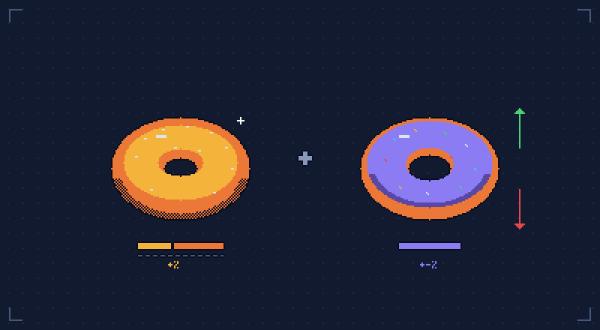
When a stock fund returns 10% a year, where does that money actually come from? This post breaks a stock’s return into its three sources (dividends, earnings growth, and the change in what investors are willing to pay) and shows why the third one can swing a single decade a lot but fades over a lifetime.
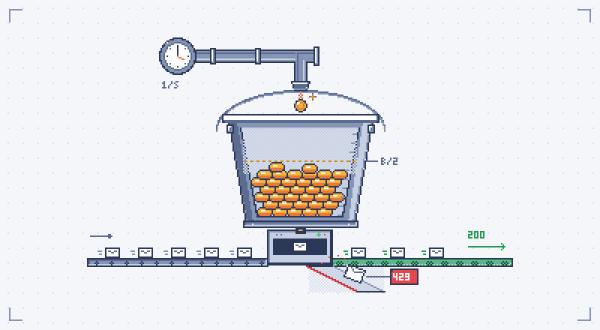
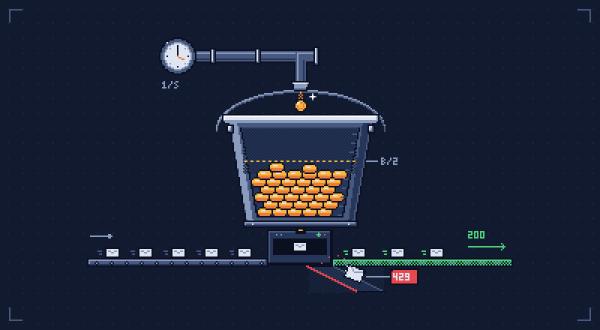
I will explain five algorithms for rate limiters with example Python implementations: token bucket, leaky bucket, fixed window counter, sliding window log, and sliding window counter.
Some people still dismiss AI as hype that can only handle simple tasks. I disagree. Here’s how AI has fundamentally changed the way I write, learn, and build.